

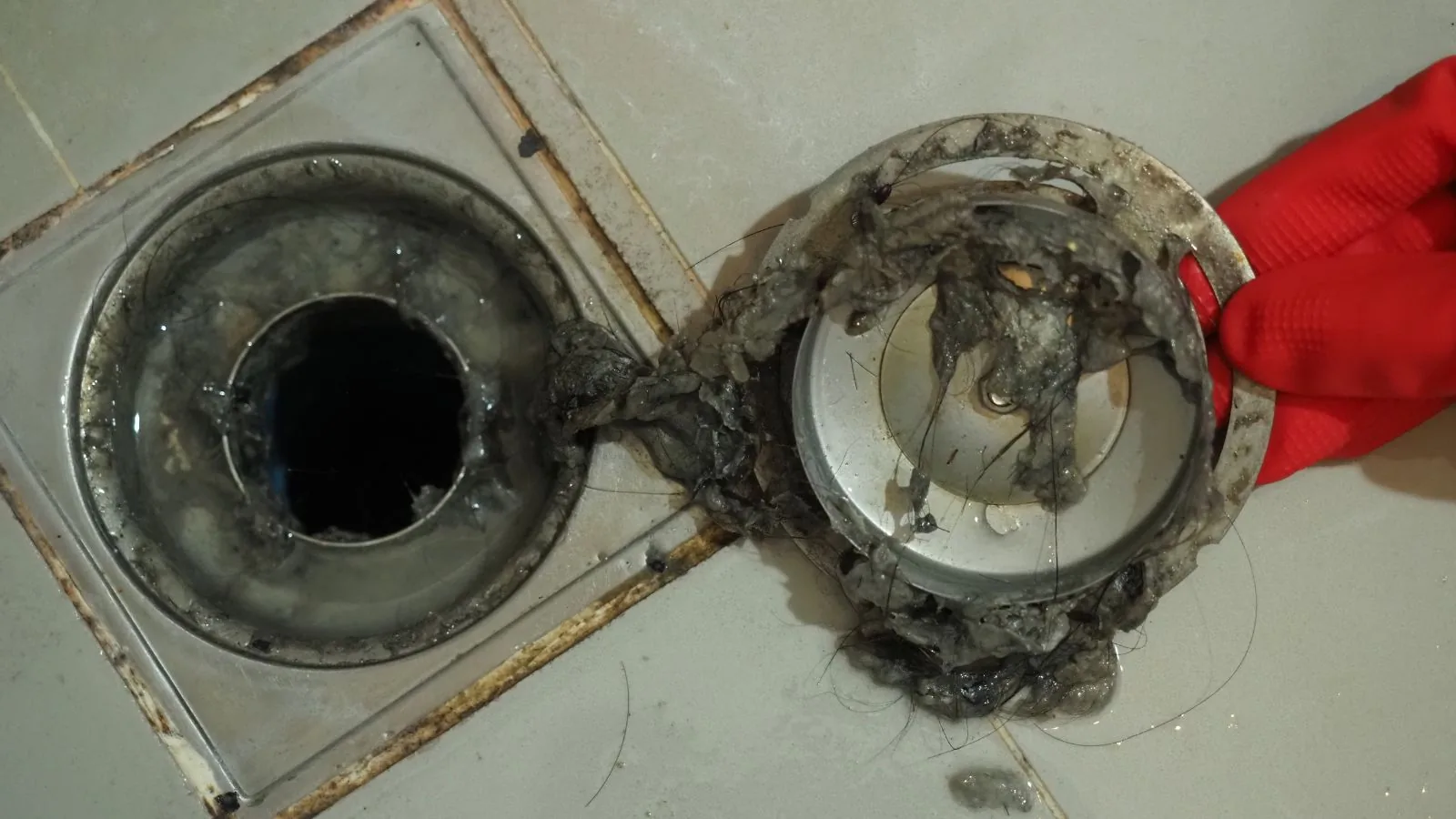
Why is sewage coming up from my toilet or floor drain?
Sewage backs up when something blocks the line, when a main sewer is overloaded, or when ground water or heavy rain overwhelms the system. The water comes up through the lowest openings in the house, which are floor drains, toilets, tubs and basement fixtures.
If you see sewage, stop using water in the building. Flushing and running faucets sends more into the problem. Keep people and pets out of the area, and call the 24/7 emergency line.
If every drain in the home is slow or gurgling, the blockage is probably in your main line. If your neighbors have the same problem, the municipal main may be involved, so call the utility or city public works as well.
Sewage is Category 3 water
The S500 standard classes sewage as Category 3, grossly contaminated. It can carry pathogens, and porous materials it touches are normally removed instead of cleaned. That includes carpet, pad, insulation and drywall below the contamination line.
Protective gear, containment and careful disposal are standard. Cleanup is not a mop and bucket job, and children, older adults and anyone with a weakened immune system should stay out.
| Step | What happens | Why it matters. |
|---|---|---|
| Contain | Seal the area and protect clean rooms | Stops contamination from spreading. |
| Extract | Remove liquid with pumps and extraction units | Gets the bulk out fast. |
| Remove | Take out carpet, pad and wet porous materials | They cannot be cleaned reliably. |
| Clean and disinfect | Treat hard surfaces and framing | Reduces contamination left behind. |
| Dry and verify | Air movers, dehumidifiers and moisture readings | Confirms the structure is dry. |
How the cleanup connects to other water damage
Sewage often arrives with flood water or after a storm, and it hits the basement first. The initial pumping uses the same tools as water extraction, with added controls.
Drying follows the structural drying process once contamination is removed.
What to do before help arrives
- Stop using water and do not flush toilets.
- Keep children, pets and anyone with a weakened immune system out.
- Do not touch the water without boots and gloves.
- Do not run fans or vacuums through the area.
Sewage in the house? Call the 24/7 emergency line and keep everyone clear.
Call (732) 352-9660Keep notes on what you saw. Record which fixtures backed up, the time it began and how far the water spread. A clear timeline helps the plumber find the blockage and helps your insurer understand the loss. Wear boots and gloves if you must cross the area, and wash thoroughly afterward.
Prevention and who fixes the line
A plumber clears or repairs the blockage. If a tree root or a collapsed pipe is the cause, the plumber can inspect the line with a camera. Ask the City of Asbury Park public works office which part of the sewer line is the city's and which is yours.
A backwater valve on the building drain can keep sewage out during surges. A plumber can say whether one fits your home.
What moves the price of this job
Sewage jobs cost more than clean water jobs because of contamination controls.
Contamination
Protective gear, containment and disposal add labor.
Area and depth
Larger spills affect more material.
Materials removed
Carpet, pad, insulation and drywall are usually replaced.
Disinfection
Surfaces and framing are cleaned and treated.
Drying
The structure is dried and verified before repairs.
Want your real number? Call and the scope and price are explained before work starts.
Insurance and sewage backups
Sewer and drain backup is commonly excluded from standard homeowners policies unless you added a water backup endorsement. Check your policy and ask your insurer or agent whether you have one.
Photograph the damage before cleanup, and keep the plumber's invoice. We cannot promise any claim outcome.
Sewage backup questions
Do you handle sewage backup emergencies at night or on weekends in Asbury Park?
Yes. The line is open 24/7 and same-day response is offered when a crew is available. Stop using water, keep everyone out and call.
Why is sewage coming up in my basement drain?
Usually a blocked or overloaded line. A plumber finds the cause, and we handle the cleanup of what came up.
Can I clean up sewage myself?
Not safely. It is contaminated, and hidden materials stay unsafe. Use professional cleanup.
Does homeowners insurance cover sewer backup?
Often not, unless you added a water backup endorsement. Check with your insurer.
Can the carpet be saved?
Usually not after sewage. Carpet and pad are normally removed.
Sewage in the house? Call the line and get a contamination-safe plan now.
Call (732) 352-9660