

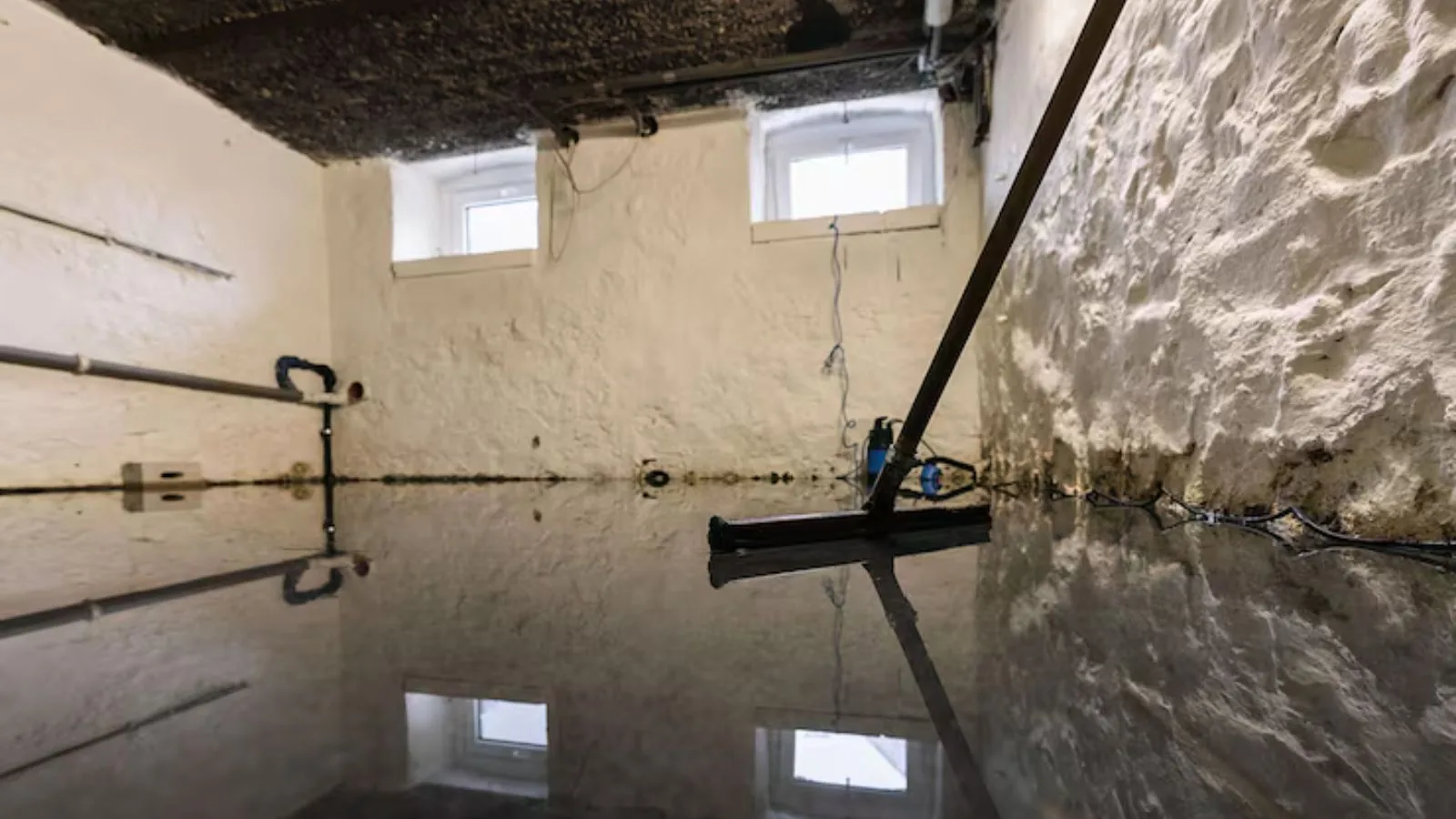
Flood damage restoration is the cleanup, removal and drying after water from outside enters a building, whether from rising groundwater, overflowing waterways or storm surge. In Asbury Park, NJ, where the city lies between the Atlantic and several lakes, that kind of water can arrive during a strong coastal storm. Call the 24/7 emergency line first, because flood water needs a different safety plan than a pipe leak.
Stay out of flood water if you can. It can carry sewage, chemicals and debris, and it may be electrically energized. Do not walk through it to reach the panel, and call the utility or 911 about any downed line or gas smell before you call us.
Why flood water is handled differently
The S500 standard puts flood water in Category 3 because it picks up contamination from the ground, drains and surfaces it crosses. That changes everything. Porous materials such as carpet, pad, insulation and drywall that were soaked are usually removed rather than dried in place.
Hard surfaces and framing can often be cleaned and dried. The crew separates what can be saved from what cannot, then removes the waste in controlled steps so contamination does not spread to dry rooms.
| Material | Typical outcome after flood water | Why. |
|---|---|---|
| Carpet and pad | Removed | Soaks up contaminants and is hard to clean fully. |
| Drywall and insulation | Cut out to above the water line | Wicks water upward and holds contamination. |
| Solid framing and concrete | Cleaned, treated and dried | Does not absorb contaminants the same way. |
| Hardwood and laminate | Often removed | Swells, cups and traps moisture underneath. |
| Upholstery and mattresses | Often discarded | Cannot be reliably cleaned. |
Flood, storm and sewer water are different problems
Rising water that enters from outside belongs here. Rain through a damaged roof or windows is the storm water damage page. Sewage coming up from a drain is the sewage backup page, with its own contamination controls.
Below-grade rooms get the worst of flooding, which is why many flood jobs end up in the basement first. Standing water is cleared by extraction before any of the cleaning begins.
Flood water inside? Call the 24/7 emergency line before you touch anything wet.
Call (732) 352-9660What Asbury Park history tells you about flood insurance
Hurricane Sandy affected Asbury Park in 2012. The New Jersey Department of Banking and Insurance states that standard homeowners policies exclude flood damage, that only flood insurance covers it, and that storm surge counts as flood.
Check your policy before you need it. If you rely on a homeowners policy alone, flood water damage may be uninsured. Look up the FEMA flood map for your address and ask your insurer or agent about flood coverage.
Deal Lake, Wesley Lake and Sunset Lake are part of the local water system. Whether a given street is at risk depends on its elevation and drainage, so ask the City of Asbury Park building department rather than relying on a guess.
What cleanup looks like
Crews photograph the loss, remove standing water and take out porous materials that cannot be saved. Surfaces that stay are cleaned and treated, then dried with air movers and dehumidifiers. The crew checks moisture readings until the structure reaches its dry standard.
Only after that do repairs start. The structural drying page explains the equipment and how readings are used to decide when a building is dry.
What moves the price of this job
Flood jobs vary widely. These factors decide most of the price.
Contamination
Flood water is Category 3, which adds protective gear, cleaning and careful disposal.
Square footage and depth
More area and a higher water line mean more demolition and drying.
Materials removed
Carpet, drywall and insulation are usually removed, then replaced.
Drying days
Concrete and framing hold moisture, so monitoring can run several days.
Rebuild scope
Reconstruction after cleanup is priced separately.
Want your real number? Call and the scope and price are explained before work starts.
Flood damage questions
Do you handle flood damage emergencies at night or on weekends in Asbury Park?
Yes. The line is open 24/7, including during storms when many homeowners call at once. Same-day response is offered when a crew is available. Stay out of the water, avoid electrical risk and call.
Is my homeowners policy likely to cover flood damage?
Usually not. The New Jersey Department of Banking and Insurance states that homeowners policies exclude flood and that storm surge counts as flood. A separate flood policy is what covers it. Check your policy and ask your insurer.
Can I clean up flood water myself?
Small amounts may be manageable with gloves, boots and disinfectant, but flood water can hide contamination and electrical risk. Larger floods need professional removal and drying, and wet insulation behind walls is easy to miss.
Can anything be saved after a flood?
Often yes. Hard surfaces, framing and solid furniture can usually be cleaned and dried. Carpet, pad and soaked drywall usually cannot. A crew reads each item and tells you what stays.
What about sewage in the water?
Flood water often mixes with sewage, which is why it is treated as contaminated. The sewage backup page explains the extra controls used when drains are part of the problem.
Flood water in the building? Call the line and get a contamination-safe plan.
Call (732) 352-9660