

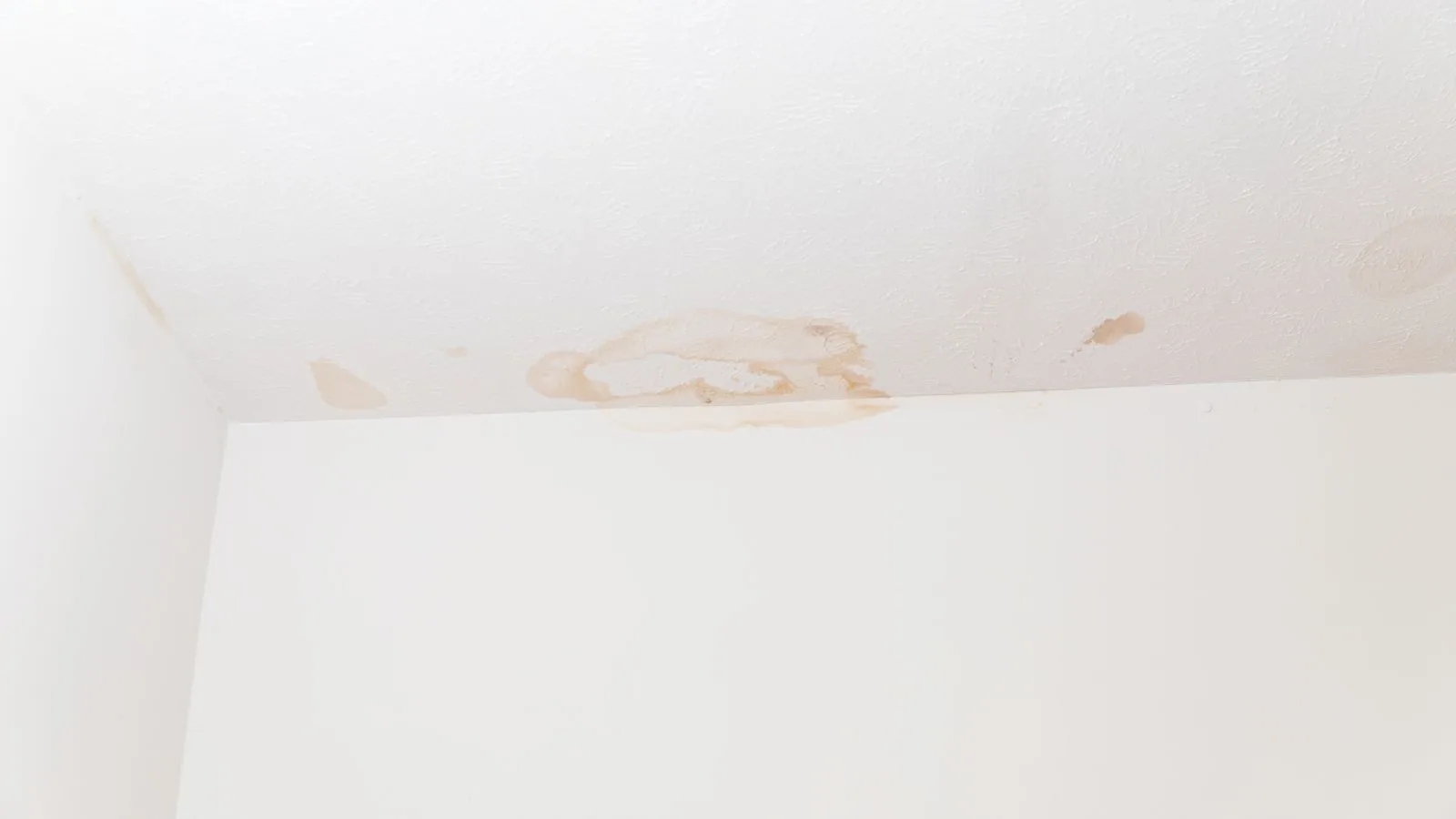
A water damage claim is mostly paperwork, and the paperwork starts the moment the water does. The homeowners who get through claims with the fewest headaches usually did four things early: stopped the water, photographed the damage, called the insurer and kept every receipt.
This guide walks through those steps in order. It is general information, not legal or insurance advice, and your policy governs. We cannot approve a claim or predict how an adjuster will rule.
Step by step in the first 48 hours
| When | Do this | Why it matters. |
|---|---|---|
| Minute one | Stop the source and make the area safe | Insurers expect reasonable steps to limit damage. |
| First hour | Photograph and film the water and damage | Shows the state of things before cleanup. |
| Same day | Call your insurer to open a claim | Starts the clock on their process. |
| Same day | Call for extraction and drying | Prevents more damage and builds records. |
| Day two | List damaged items with age and cost | Supports the contents part of the claim. |
What to photograph
Take wide shots of each room, then close shots of the source and each damaged item. Include the water line on walls, the failed part, wet flooring and any belongings. Video with a spoken description helps.
Do not throw out damaged items before the adjuster sees them, unless they are unsafe. Photograph labels and serial numbers on appliances and electronics. Keep a sample of damaged flooring or drywall if the insurer asks for one.
What your restoration company should give you
A good restoration file includes moisture readings from day one, a list of the equipment used, photos of each stage and an itemized scope of what was removed and why. These records show your adjuster the extent of the loss in neutral terms.
The structural drying process depends on daily readings, so the records come naturally. Ask for copies of the logs before the job ends.
Local context for Asbury Park claims
The City of Asbury Park enforces the State Uniform Construction Code through its building department. If repairs after a loss involve structural work, ask the city which approvals apply before work starts.
Water that arrives from outside, such as storm surge, is treated as flood, and the New Jersey Department of Banking and Insurance notes that standard homeowners policies exclude it. A flood claim goes through a flood policy, not the homeowners policy. If you live near the coast in Belmar or inland in Oakhurst, the same distinction applies.
Source type: municipal construction page and state insurance regulator guidance.
What to do and what not to do in the first hours
- Do stop the source and make the area safe.
- Do photograph the damage before cleanup.
- Do not throw out damaged items before the adjuster sees them unless they are unsafe.
- Do not start permanent repairs before the structure is dry.
Water damage in progress? Call the 24/7 emergency line and get extraction started today.
Call (732) 352-9660Talking to the adjuster
Be factual. Describe what happened, when you noticed it and what you did. Give the adjuster access and your documentation. Ask questions about anything in the estimate you do not understand.
If the adjuster's scope differs from the restoration scope, ask for the reasons in writing. Differences are common and are often resolved with additional documentation. A second look at moisture readings can settle a disagreement about how far the water traveled.
Contents and living expenses
Building damage is only part of a claim. Contents, such as furniture, clothing and electronics, are usually a separate section, and many policies also help with living expenses if you cannot stay in the home. Ask your insurer which applies.
Make a list of damaged items with the age, brand and what you paid, as best you can. Receipts, bank statements and old photos help. Keep hotel and meal receipts if you are displaced, and ask before spending large sums so you know what is reimbursable.
Take care with repairs. Emergency measures, like removing water and drying, are expected. Permanent repairs, such as new flooring, usually wait until the adjuster has seen the damage and the structure has reached dry readings. Starting early can complicate the claim and, worse, seal moisture into walls.
A simple record keeping system
Create one folder, on paper or on your phone, the day the water arrives. Put in it the claim number, the adjuster's name and phone, every estimate, every receipt and a dated log of calls. Write down who you spoke to, what they said and what happens next.
Back up photos to a second place. Phones get lost, and a claim can run for weeks. A short note at the end of each day takes five minutes and saves hours later when someone asks what was said on a particular date.
Common mistakes
- Waiting days to report the loss, which can raise questions about delay.
- Throwing out damaged items before photographing them.
- Starting permanent repairs before the structure is dry.
- Signing a work authorization without reading the scope.
- Assuming flood and sewer backup are covered without checking.
Each of these is avoidable. Keep a folder, paper or digital, and put every invoice, photo and email in it. If the claim involves mold, read the mold remediation page for how testing and clearance fit in.
Questions homeowners ask
How soon should I report a water damage claim?
As soon as it is safe. Policies often require prompt notice, and early reporting keeps the record clean.
Do I need to wait for the adjuster before cleanup?
No. You are expected to protect the property from more damage. Document first, then start extraction and drying, and keep receipts.
Does the City of Asbury Park need to approve repairs?
The city enforces the State Uniform Construction Code, so some repairs may need approvals. Ask the building department before structural work starts.
Starting a claim? Call the 24/7 line and ask what records we provide.
Call (732) 352-9660