

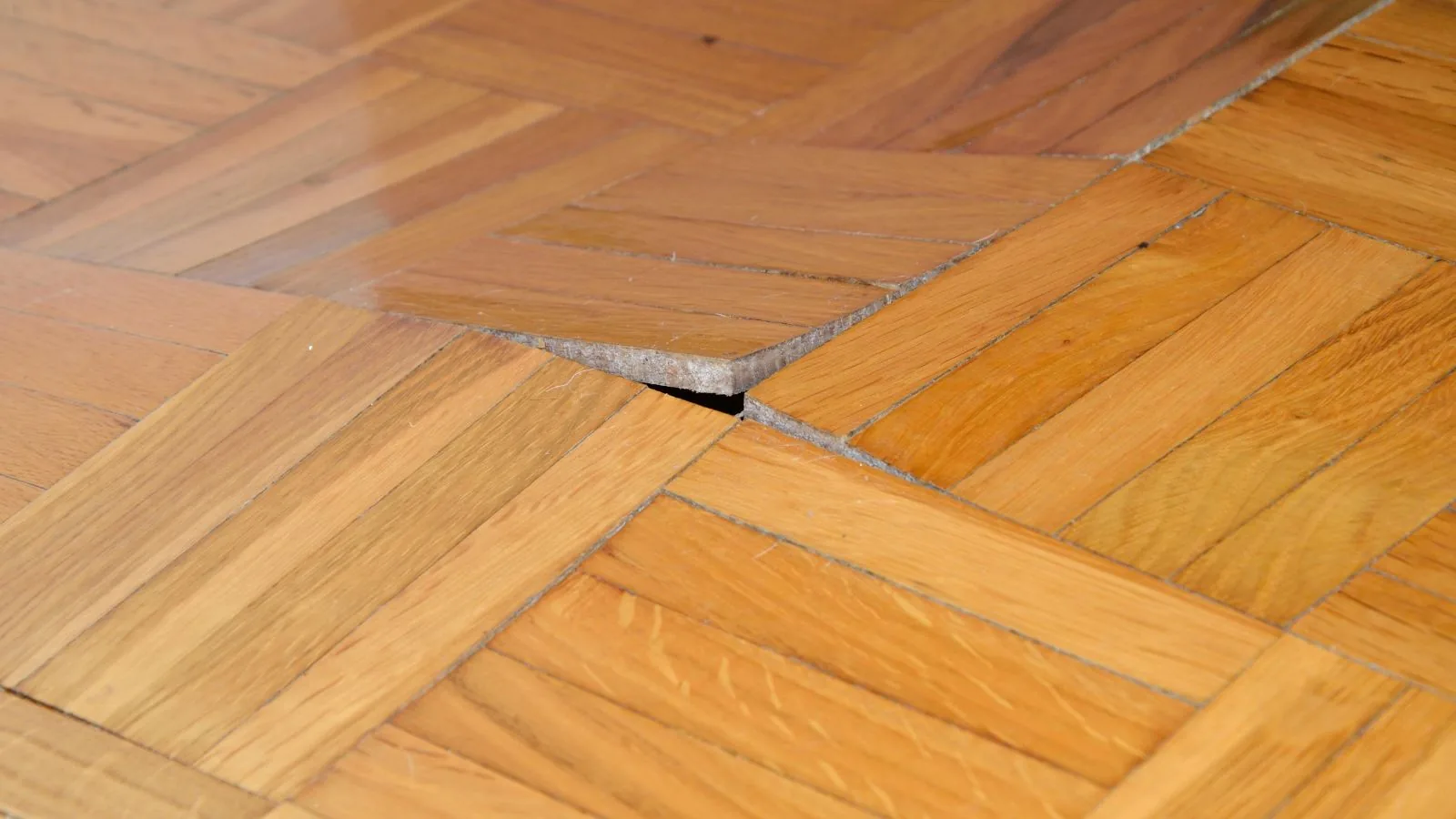
Water damage does not have to end a sale, but hiding it can. Buyers and their inspectors look for signs of past leaks, and agents and attorneys know the questions to ask. A seller who has records, repairs and honest answers is in a stronger position than one who hopes nobody notices.
This guide covers the basics: disclosure, repair versus sell as is, and the paperwork that helps. We are a restoration company, not lawyers or agents. Rules about disclosure are set by law and by your contract, so confirm the details with your agent or attorney.
Disclosure basics
Most states require sellers to disclose known material defects, and water damage is the type of item that usually counts. A past leak that was fully repaired is generally treated differently from an ongoing one, but you still need to know what your state and your contract require.
Ask your real estate agent or attorney what New Jersey requires you to disclose and in what form. Do not rely on a general article, including this one, for legal obligations. Answer disclosure questions accurately, because incorrect answers can bring disputes after closing.
| Option | How it works | Trade off. |
|---|---|---|
| Repair before listing | Fix the problem and keep records | Cost up front, cleaner sale. |
| Offer a credit | Buyer repairs after closing | Less hassle, may reduce price. |
| Sell as is | No repairs, price reflects condition | Fewer buyers, faster path. |
What buyers and inspectors look for
- Stains on ceilings, walls and around windows.
- Soft or buckled flooring, especially near kitchens, baths and basements.
- A musty smell in lower levels or closets.
- Fresh paint on one patch of wall or ceiling.
- Moisture readings that run high in basements and crawl spaces.
An inspector with a moisture meter finds what the eye misses. If you know about an old stain, say so and show the repair record. A stain explained by a documented fix reads as history. An unexplained stain reads as a risk.
Records that help
Keep the invoice for the repair, the moisture readings from the drying job and photos of the damage and the finished work. If mold was involved, keep the clearance report. These documents turn a worry into a closed chapter.
A drying job that follows the structural drying process produces daily readings, which is the kind of proof a buyer's inspector respects.
What to know in Asbury Park
The City of Asbury Park enforces the State Uniform Construction Code through its building department. If you repaired water damage with permitted work, the city can tell you what is on file. Ask the department for records before listing.
Flood status matters to buyers. Check the FEMA flood map for your address, and ask your agent how a flood zone affects financing and insurance. The New Jersey Department of Banking and Insurance notes that homeowners policies exclude flood, so buyers often ask about it. Buyers drawn to Bradley Beach and Belmar ask the same questions.
Source type: municipal construction page, federal flood map service and state insurance regulator guidance.
Buyers often ask whether past drying followed ANSI/IICRC S500, the published standard for water damage restoration. A drying file with readings is the easiest way to answer.
What to do first if you find water damage
- Stop the source and dry the area before anything else.
- Photograph the damage and keep every invoice.
- Do not paint over a damp wall or stain.
- Ask your agent or attorney what to disclose before you list.
Preparing to sell? Call the line and ask what records a drying job produces.
Call (732) 352-9660Timing the repair
If you plan to list soon, repair first when you can. Dry the structure, fix the source and replace damaged materials before staging. Paint over a damp wall invites questions, so wait until readings are normal.
If a sale is already under contract and an inspection finds water, ask your agent about negotiating a credit or a repair period. A prompt response keeps the deal alive.
How to price a home with water history
Price follows condition and risk. A repaired and documented past leak usually has less effect than an open, unexplained one. Ask your agent to look at comparable sales and to explain how buyers in your price range react to water history.
If you choose to sell as is, say so clearly in the listing and give buyers access to your records. Some buyers actively look for homes that need work and will plan for it. Others will walk. Honest framing attracts the right buyers and reduces late surprises.
Also think about the lender. A buyer who needs financing may face an appraisal and an insurer review, and unresolved water damage can complicate both. Completed repairs with paperwork make that path easier. If the problem was flood related, expect questions about flood insurance, so know your options before the first showing.
A short preparation checklist
- Gather invoices, drying logs, photos and any clearance reports.
- Walk the home with a moisture meter or hire an inspector before listing.
- Fix active leaks and let materials dry before repainting.
- Ask your agent or attorney what to disclose and in what form.
- Check the FEMA flood map for your address and have the result ready.
Mold and past water
Buyers fear mold, and past water raises that fear. A clean report helps. If growth was found and removed, keep the inspection and clearance documents. The mold remediation page explains how clearance works.
We make no health claims. Buyers with concerns should speak with a physician and review the New Jersey Department of Health guidance.
Questions homeowners ask
Do I have to disclose past water damage?
Often, yes, if it is a known material defect. Ask your agent or attorney what New Jersey and your contract require.
Should I repair before listing?
Repairing and keeping records often makes for a smoother sale. Your agent can advise on cost against price.
Where can I check flood mapping for my Asbury Park address?
Use the FEMA flood map for your address, and ask your agent how the zone affects insurance.
Preparing a home for sale? Call the line and ask about drying records.
Call (732) 352-9660