

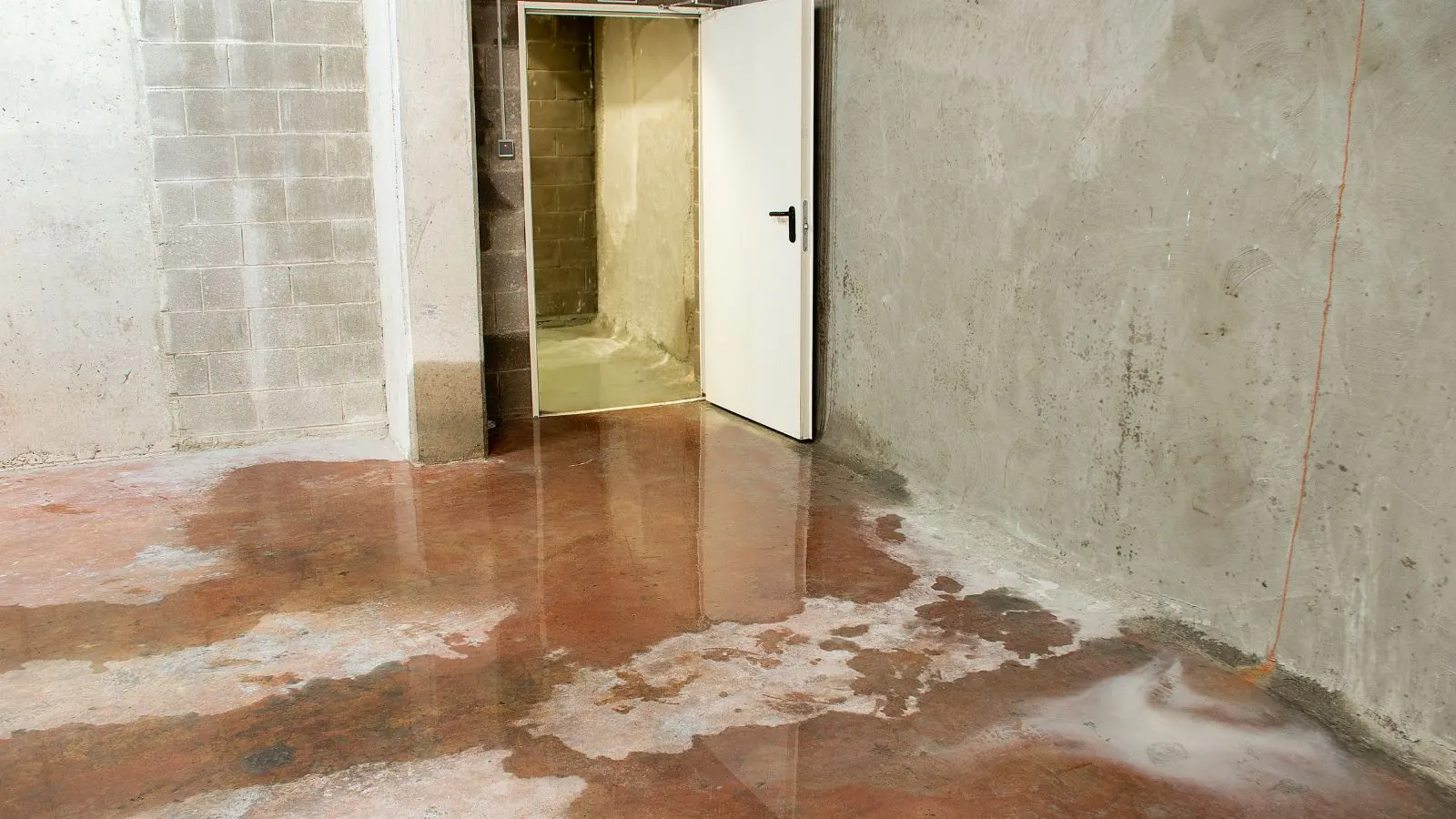
Buying a home means buying its water history. A past leak, a damp basement or an old flood can cost thousands to fix and complicate insurance. A careful walk through, an inspection and a few questions can reveal most of it before you sign.
This guide gives you a buyer's checklist. It does not replace a licensed home inspector or your attorney. Use it to know what to look for and what to ask.
Look first at the signs
| Sign | Possible meaning | Ask. |
|---|---|---|
| Brown rings on ceilings | Past or active roof or pipe leak | When was it fixed? Show the repair. |
| Fresh paint on one patch | Cover for staining | Why was it repainted? |
| Cupped or soft flooring | Moisture below the floor | Has the subfloor been checked? |
| Musty smell in closets or basement | Hidden dampness | Can we run a moisture test? |
| Efflorescence on basement walls | Water moving through masonry | Is there a sump or drainage system? |
| Rust at the water heater base | Slow leak | How old is the unit? |
What a good inspector does
A thorough inspector uses a moisture meter and often a thermal camera. They check ceilings, walls near plumbing, the basement or crawl space and the roof. Ask for the report in writing.
If the inspector finds high readings or a suspect area, ask for a specialist visit. A plumber, a roofer or a restoration company can look at the specific issue before you commit.
Ask the seller for records
- Repair invoices and permits for past water problems.
- Drying logs or clearance reports, if there was mold.
- Insurance claims history for the property.
- Disclosure forms and any known defects.
A seller who has these and shares them is a reassurance. A seller who cannot say what was done to a stained ceiling deserves more questions.
What to know in Asbury Park
Check the FEMA flood map for the address you are considering. The New Jersey Department of Banking and Insurance states that homeowners policies exclude flood, so ask your agent what flood coverage would cost before you close.
The City of Asbury Park enforces the State Uniform Construction Code through its building department. Ask the department what permits are on file for the property. Buyers looking at Bradley Beach or Belmar should ask the same questions of those offices.
Source type: federal flood map service, state insurance regulator guidance and municipal building department.
If a seller shares a drying file, look for readings that follow ANSI/IICRC S500, the published standard for water damage restoration. A file that shows daily readings and a final dry measurement is stronger than a single invoice.
Found damage in a home you own? Call the 24/7 line.
Call (732) 352-9660Basements, crawl spaces and roofs
These are the three places where water hides. Look at the base of basement walls for staining and efflorescence. Smell the air. Ask whether there is a sump pump and test it. In a crawl space, look for damp insulation and a torn vapor barrier.
On the roof, ask the age and look for lifted shingles, stained soffits and sagging gutters. Water through the roof ends up in attics and ceilings, as the ceiling page explains.
Questions for neighbors and the street
Walk the street. Look at neighboring houses for sump discharge hoses, raised utilities and flood vents. Ask a neighbor about past flooding or storm damage. Neighbors often know things the seller forgot to mention.
Visit after a heavy rain if you can. Standing water in the yard, damp basement smells and active sump pumps tell you how the property behaves. A dry house on a sunny day can look very different in a storm.
Insurance and lenders
Call an insurance agent before closing and ask for a quote on the specific address. Ask if a flood policy is needed and how much it costs. Some lenders require flood insurance in mapped zones.
A claims history report on the property may be available through your insurer. Prior water claims can raise premiums or limit options, so ask early.
Keep every document you receive, including inspection reports, quotes and email threads. They help if a dispute arises after closing.
Time your visits
Visit more than once and at different times. A morning visit may show light and smell differently from an evening one. Bring a flashlight and a small moisture meter if you own one. Open closets and cabinets, lift rugs where the seller allows and look at the tops of baseboards.
Bring a list of the checks above and tick them off. A written list keeps you calm and thorough, which matters when you are excited about a house.
If you find problems
You have options. Ask the seller to repair with receipts, negotiate a credit or walk away. Get quotes for repairs before agreeing to a price. If mold is suspected, an inspection can find the extent before you decide. The mold remediation page describes how assessment works.
Be wary of a seller who resists inspections. Your attorney and agent can advise on contract terms, including contingencies for inspection results.
Questions homeowners ask
What are the first signs of water damage when touring a house?
Ceiling stains, fresh patchy paint, musty smells, soft floors and rust near the water heater.
Should I check flood risk before buying in Asbury Park?
Yes. Use the FEMA flood map for the address and ask your agent about flood insurance cost.
Can I ask for a moisture test?
Yes. Ask your inspector to use a moisture meter and a thermal camera, and ask for the report in writing.
Own a home with water damage? Call the 24/7 line for help.
Call (732) 352-9660