

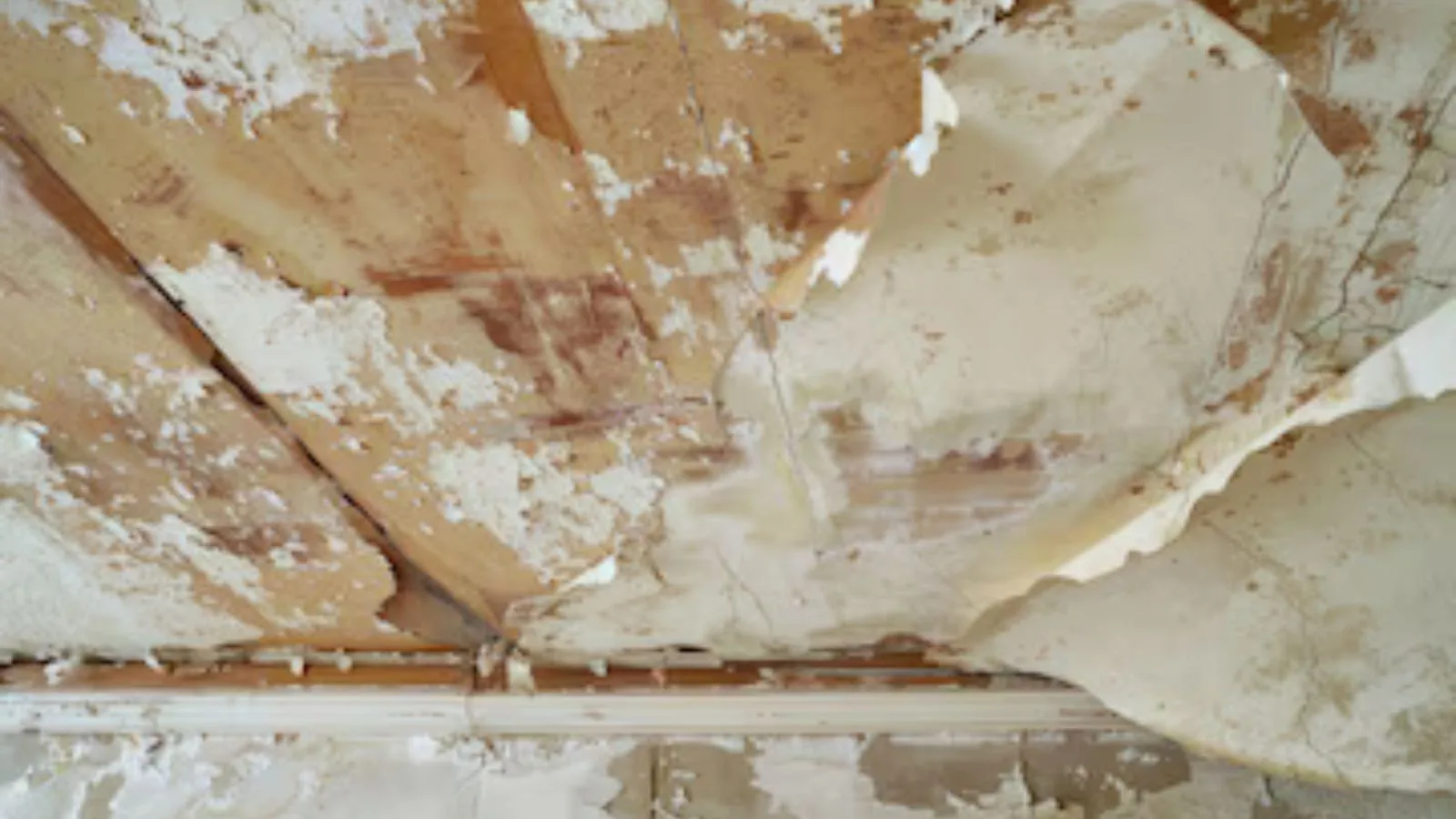
Searching for black mold removal companies usually means you found dark growth and want it gone. Before you call anyone, one fact helps: you cannot identify a mold species by color. Many molds look dark, and many dark stains are not mold at all.
That matters when you hire. A company that names a species on sight, or uses the word black to push urgency, is selling fear. A good company talks about moisture, materials and process. This guide gives you a way to tell the difference.
What dark growth usually means
Dark spots on a wall, ceiling or under a sink tell you that a surface has been damp for a while. They do not tell you which organism is present. Testing can identify types, but the cleanup approach does not change much with the name. The approach changes with the amount and the material.
We do not make health claims about mold. If you are concerned about symptoms, speak with a physician. The New Jersey Department of Health publishes mold guidelines you can read.
| Red flag | Green flag. |
|---|---|
| Names a species by looking | Explains that color does not identify mold. |
| Quotes a price over the phone with no visit | Inspects before quoting. |
| Skips the moisture source | Finds and addresses the water cause. |
| Promises mold will never return | Explains how recurrence is prevented. |
| Uses scare language | Describes steps in plain terms. |
What a proper process includes
A thorough job begins with an inspection that finds the moisture and the extent of growth. The work area is sealed and filtered, affected porous materials are removed and surfaces are cleaned. The structure is dried to normal readings.
At the end, verification confirms the area is back to normal conditions. The mold remediation page describes the steps in detail, and the structural drying page explains why moisture control matters.
Dark growth in your home? Call the line and describe what you see. The dispatcher will explain the process.
Call (732) 352-9660What to know in Asbury Park
The New Jersey Department of Health publishes guidelines on mold in homes, and the City of Asbury Park building department can tell you whether permits apply to any repairs. Both are primary sources, and both are free to consult.
Coastal humidity and past storm flooding can leave damp spots in lower levels. Hurricane Sandy affected Asbury Park in 2012, and homes near Belmar and Neptune share the same coastal climate.
Source type: state health department guidance and municipal building department.
Questions to ask any company
- Will you inspect before quoting, and will the scope be in writing?
- How do you contain the work area?
- What is removed and what is cleaned?
- Who performs testing, and is it independent of the cleanup?
- What do you do about the moisture source?
Good answers are specific. Vague answers or pressure to sign today are reasons to keep looking.
DIY cleaning versus hiring
A small patch of surface growth on a hard, nonporous surface can often be cleaned by a homeowner with basic precautions. Mold in porous materials, growth that keeps returning and areas larger than a modest patch are different. Disturbing them can spread spores to clean rooms.
If the area is large, if it sits inside a wall or if you cannot find the water source, bring in a professional. Cleaning the surface while the leak continues only resets the clock.
Whichever route you choose, wear gloves and a well fitting mask, keep fans from blowing across the area and bag debris before carrying it through the house. Fix the water problem first.
How to read a company's website and reviews
Look past star counts. Read how a company describes its process, whether it names steps in order and whether it explains what it does not do. A site that is full of fear language and sparse on process is a caution sign.
Check that the address and phone number match across the site, the map listing and any business registry you can reach. Be careful with reviews that read alike or praise a person you cannot find. Consistency across sources is a better signal than any single rating.
Timing and expectations
A thorough job takes more than an afternoon. Expect an inspection visit, a written scope, several days of work for a moderate area and a verification step at the end. A company that promises to finish everything within a couple of hours may be doing less than the job needs.
Plan for access. Furniture may need to move, and parts of the home may be closed off during containment. Ask in advance how long the area will be unusable and what you should do with belongings in the meantime.
Do not skip the water problem
Mold is a symptom. The water is the cause. A leak, a roof problem or poor ventilation feeds growth, so cleaning without fixing the cause leads to a repeat. Ask any company how the source will be addressed and by whom.
Questions homeowners ask
Can you tell what mold it is by color?
No. Many molds and non-mold stains look dark. Testing identifies types, and the cleanup process depends more on area and material.
Do I need testing before hiring?
Not always. An inspection finds moisture and extent. Clearance testing after cleanup confirms the result, and lenders sometimes ask for it.
Where is official New Jersey mold guidance?
The New Jersey Department of Health publishes mold guidelines for homes.
Found dark growth? Call the line and ask how the process works.
Call (732) 352-9660